A Spiritual Journey in Bihar’s Heartland: Bodh Gaya
Bodh Gaya, about 110 km south of Patna, is where Siddhartha Gautama reached enlightenment and became the Buddha. He meditated here under the Bodhi Tree, and this is where Buddhism began. Over the centuries, faith, history, politics and legend have all shaped this small town.
The Buddha lived around the 5th century BCE. In the 2,500 years since, Bodh Gaya has grown into a pilgrimage town full of old and new shrines, monasteries, temples and guesthouses.
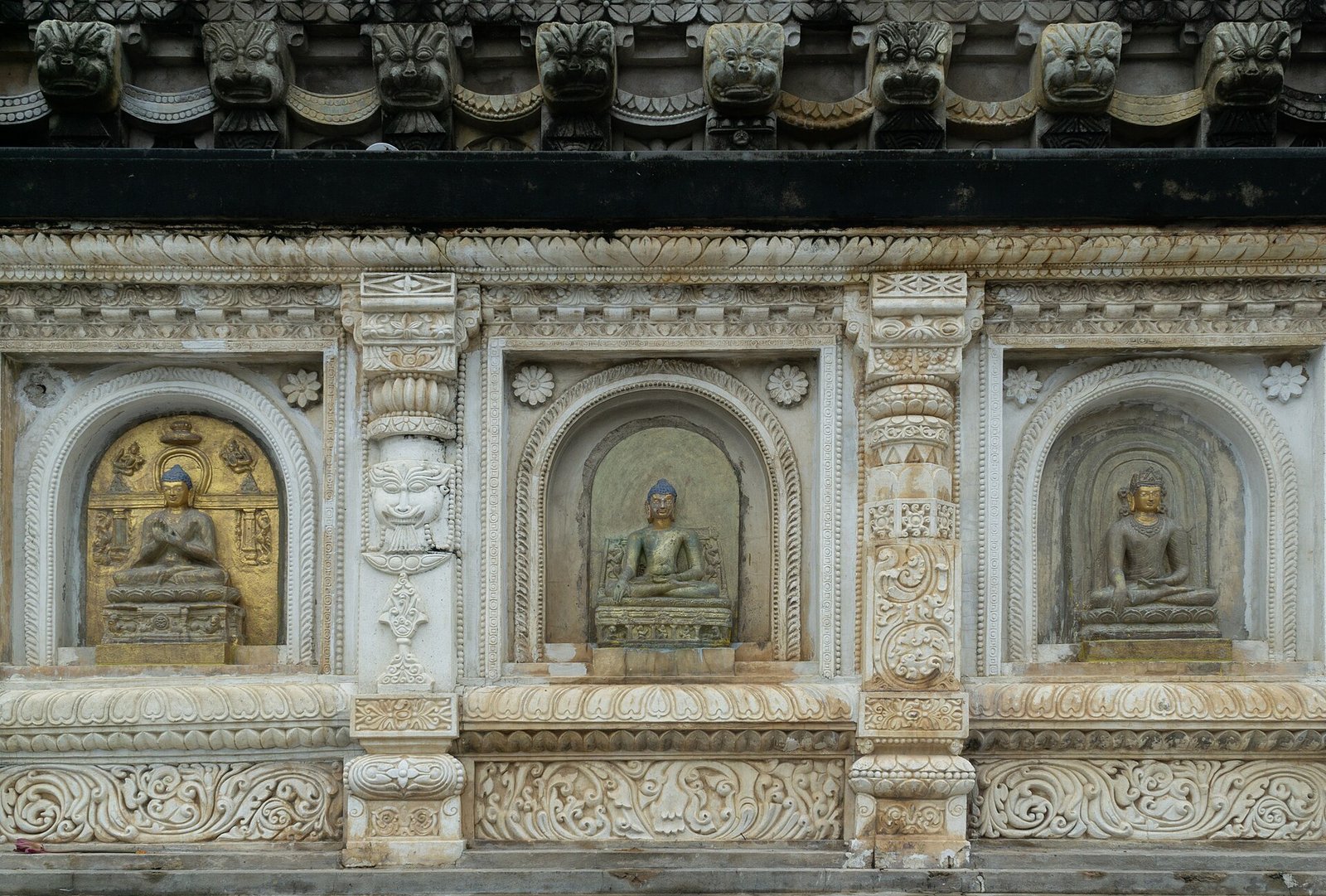
At the heart of ancient Bodh Gaya is the Mahabodhi Temple Complex, bustling with shrines, monuments, and sculptures created over more than 2,000 years.
Read this blog to know more about Places to visit in Bihar.
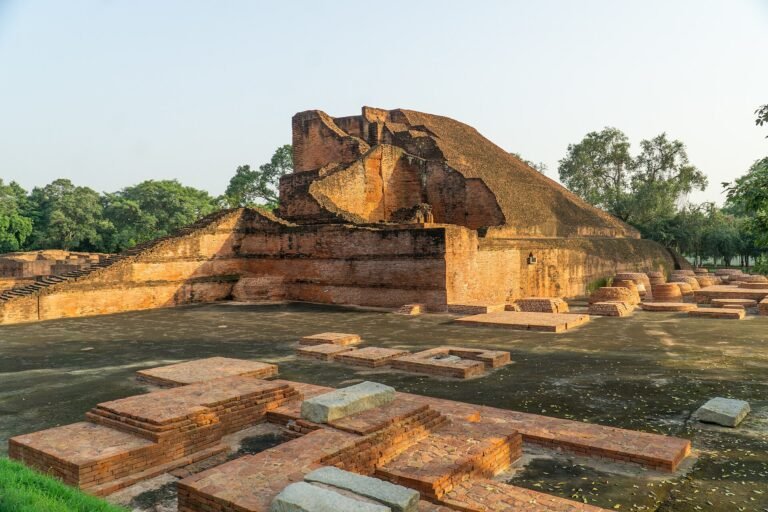
Some photos from Bodh Gaya
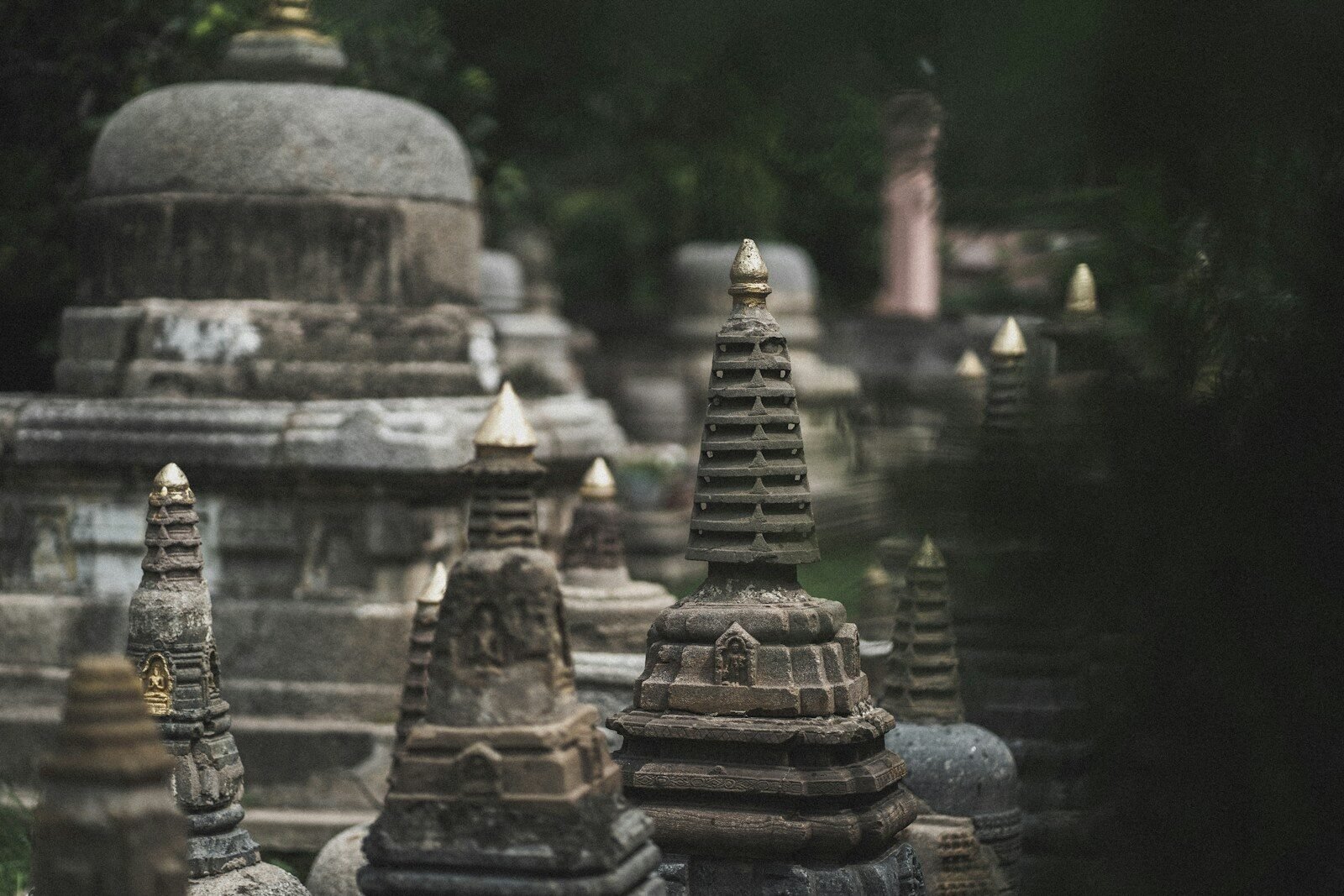
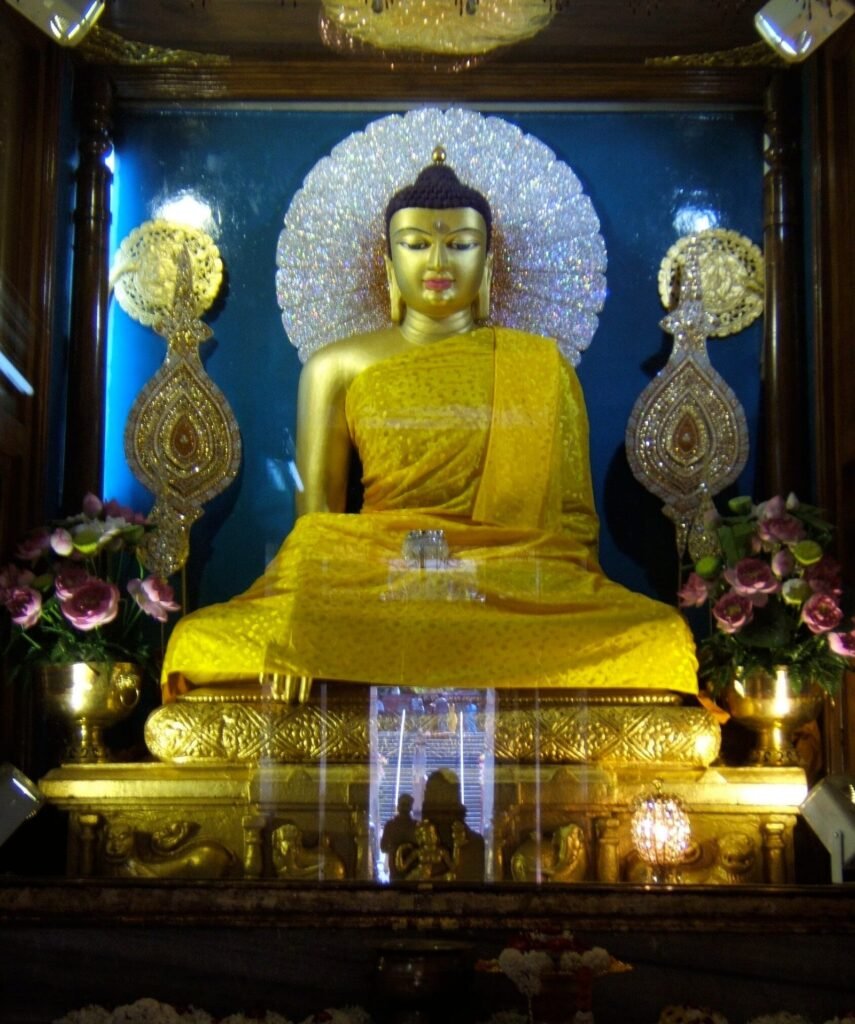
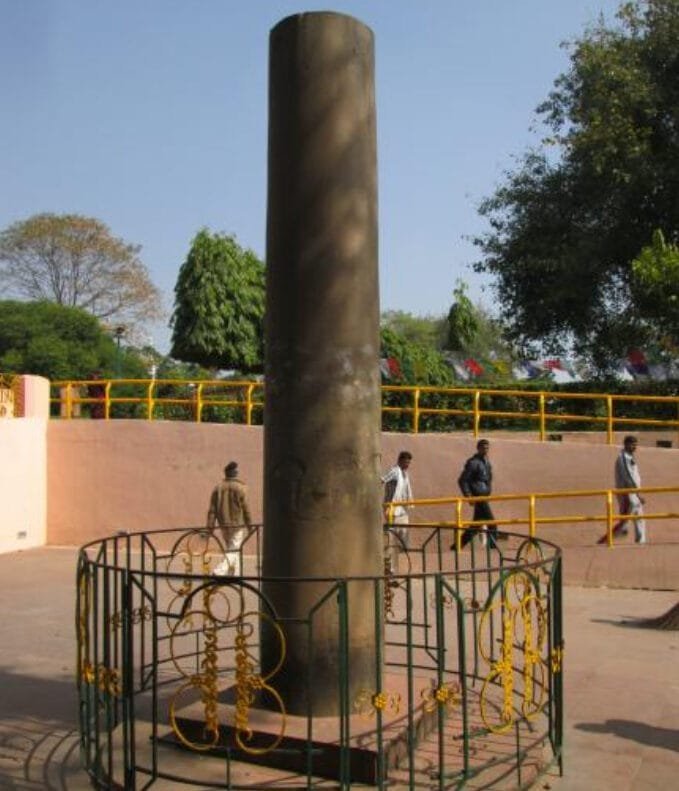
The Mahabodhi Temple
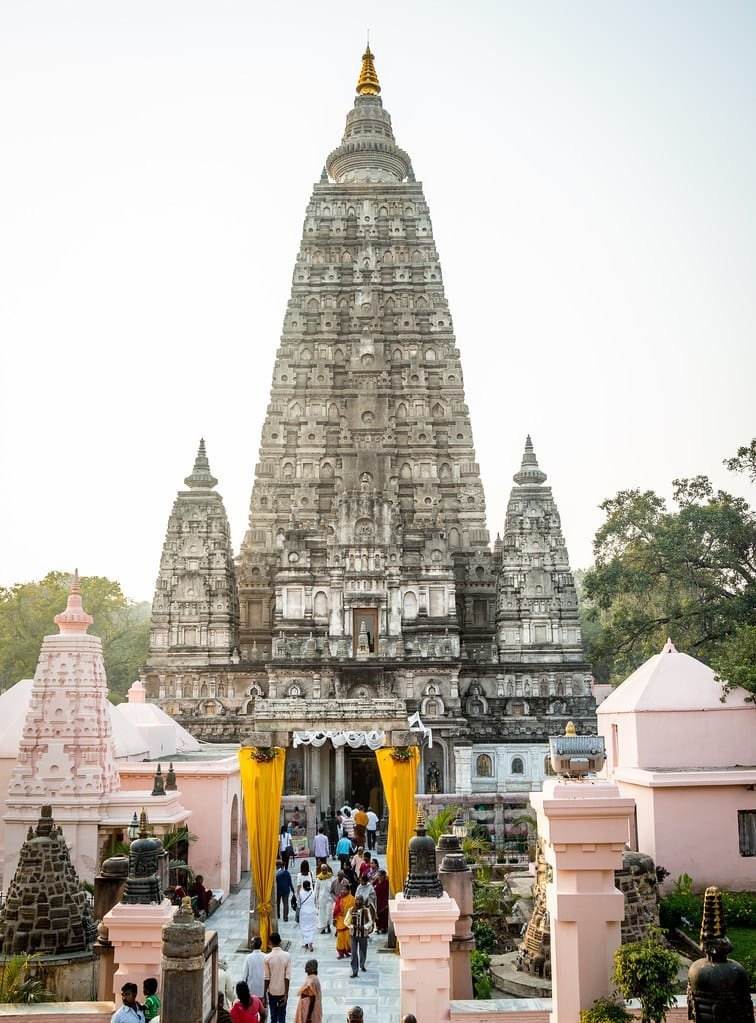
The Mahabodhi Temple is the central attraction in Bodh Gaya. Its soaring spire, intricately carved and reaching towards the sky, captivates visitors upon approach. Situated where the Buddha attained enlightenment, the temple houses the revered Bodhi Tree, a direct descendant of the original.
People of all backgrounds visit to meditate, pray, and absorb the spiritual atmosphere. Monks’ chants, the aroma of incense, and devotees circling the temple contribute to a tranquil ambiance. The temple is also a rich resource for those fascinated by Buddhist architecture and symbolism, showcasing ancient art and iconography.
The Bodhi Tree
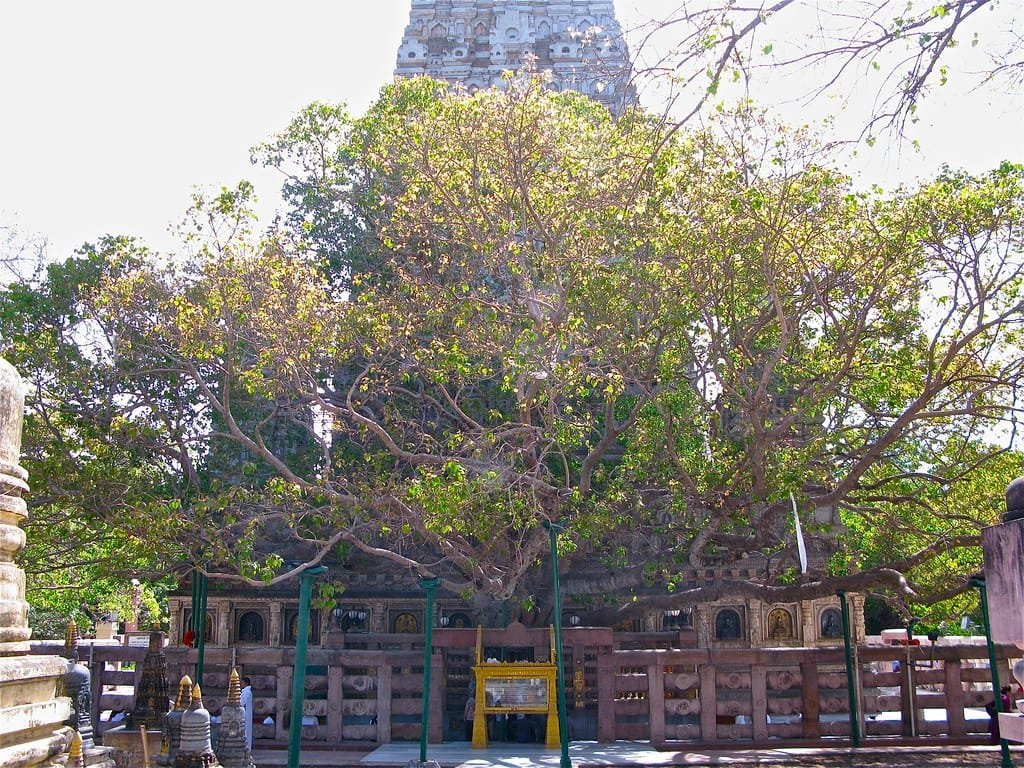
The Bodhi Tree in Bodh Gaya is highly revered as the place where Siddhartha Gautama achieved enlightenment after meditating for 49 days. Pilgrims from all corners of the world gather under its wide canopy to meditate and reflect. The sight of prayer flags, put up by devotees, enhances the feeling of global spiritual unity. Sitting beneath this tree, one can sense the Buddha’s presence and the deep peace that emanates from this sacred site.
The Great Buddha Statue: A Modern Icon
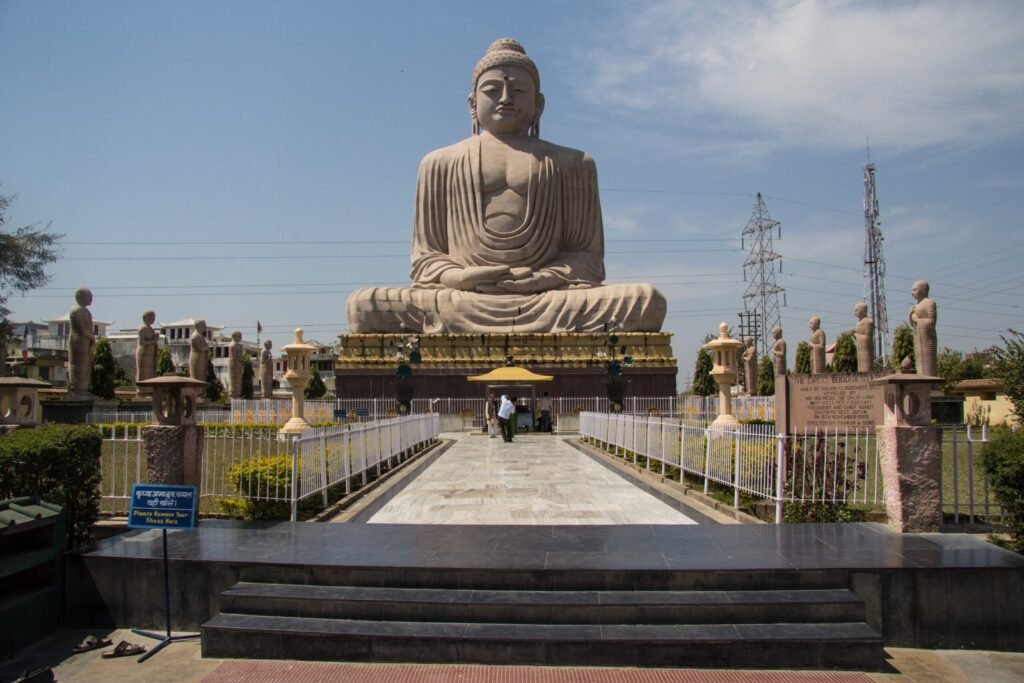
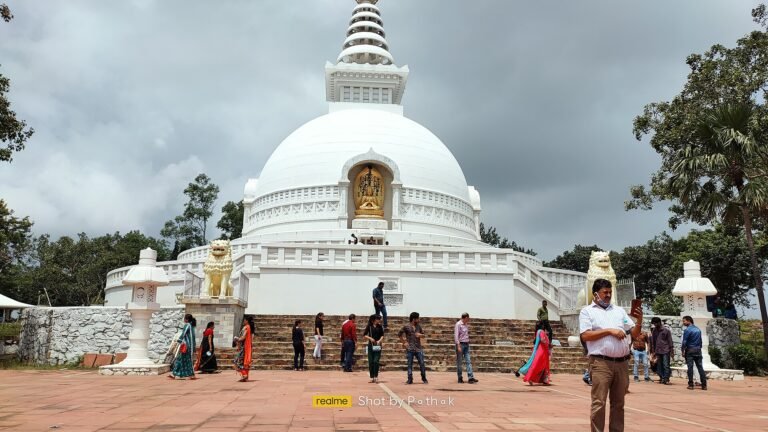
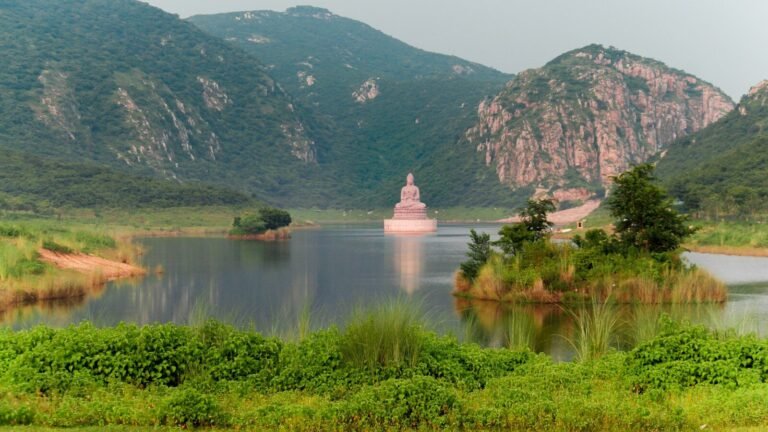
In addition to the ancient Mahabodhi Temple and Bodhi Tree, Bodh Gaya features a modern Buddhist landmark: the Great Buddha Statue. Erected in 1989, this 80-foot-tall statue symbolizes peace and tranquility.
The statue depicts the Buddha in meditation and is set within a landscaped garden, providing a serene place for contemplation. It attracts pilgrims and tourists alike, who find inspiration in its serene and imposing presence, embodying the Buddha’s timeless teachings of compassion and wisdom.
FAQs
What is the best time to visit Bodh Gaya?
The best time to visit Bodh Gaya is generally between October and March. During these months, the weather is pleasantly cool and comfortable, making it ideal for exploring outdoor attractions and engaging in spiritual activities without the discomfort of extreme heat or rain.
Why October to March works well:
- Post-Monsoon Greenery: After the monsoon season, Bodh Gaya and its surroundings are lush and green, creating a picturesque backdrop for your visit.
- Comfortable weather: October and November are mild, around 20°C to 30°C. December and January are cooler, especially at night, so carry a warm layer.
- Festivals: December and January bring large Buddhist prayer gatherings, so the town is lively but busy. Buddha Purnima, the biggest festival, falls in April or May.
How do I reach Bodh Gaya?
Here are your options, depending on where you are starting from:
By Air: The nearest airport to Bodh Gaya is Gaya Airport (also known as Gaya International Airport). It is located approximately 12 kilometers away from Bodh Gaya town. You can fly into Gaya Airport from major cities in India such as Delhi, Kolkata, and Varanasi. From the airport, you can take a taxi or a pre-booked hotel transfer to reach Bodh Gaya town.
By Train: The nearest major railway station to Bodh Gaya is Gaya Junction, which is well-connected to cities like Delhi, Kolkata, Mumbai, and Varanasi through regular train services. From Gaya Junction, you can hire a taxi or an auto-rickshaw to Bodh Gaya, which is about 16 kilometers away.
By Road: Bodh Gaya is well-connected by road to various cities and towns in Bihar and neighboring states. You can reach Bodh Gaya by private car, bus, or taxi. The town is approximately 12 kilometers south of Gaya city and is accessible via NH-83.
Local Transport: Once you reach Bodh Gaya, local transportation options include auto-rickshaws, cycle-rickshaws, and taxis for getting around the town and visiting nearby attractions like the Mahabodhi Temple, monasteries, and other sites of interest.
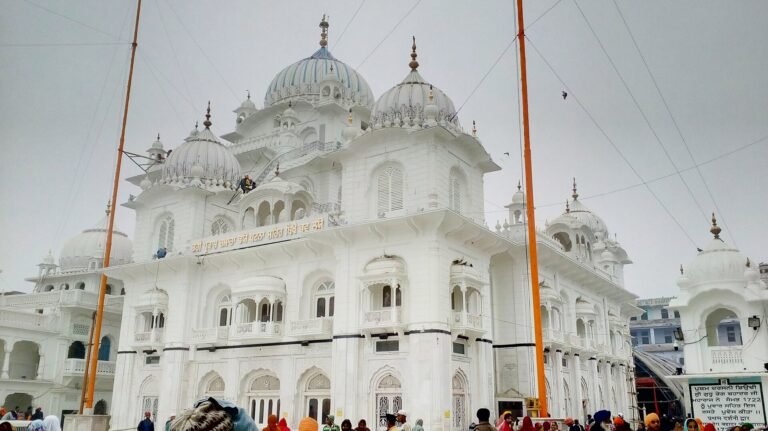
Top photo (Mahabodhi Temple): Sumitsurai / Wikimedia Commons, CC BY-SA 4.0